

Nutrients - your body needs them! But, what are nutrients?
The nutrients found in all foods and drinks provide nourishment for the body. This nourishment is in the form of:
- Substances which provide energy
- Building blocks for bone, muscle, organs, hormones and blood
- Substances needed for processes to occur in the body (like digestion)
- Substances that protect the body
Nutrients are drawn from a wide variety of foods and the more varied your diet, the more likely you are to obtain all the nutrients you need.
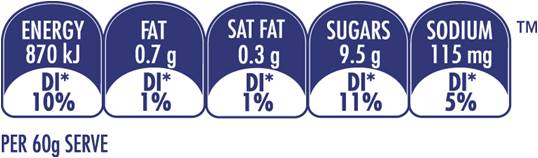
Energy

Energy is not a nutrient but, kilojoules (food energy) are important for providing energy for your daily activities.
Protein, fats and carbohydrates are converted into energy in different quantities. Vitamins and minerals are also essential nutrients for the body, but they are not converted into energy.
Energy is required to fuel body processes (metabolism) and physical activity. If we consume more energy than we use for metabolism and physical activity, the excess is stored as body fat. You need to be sure to balance the energy you consume through foods with the energy you expend during the day. The more active you are the more energy you need and vice versa.
The reference value for an average adult is 8,700 kJ.
Fat

Fat contributes to energy intake and helps you absorb vital vitamins; therefore a healthy diet should always contain a certain amount of fat. The two main forms of fat are saturated, predominately from animal sources, and unsaturated, predominately from vegetable sources.
Because fat is a rich source of energy, you should try and eat no more than your recommended intake. It is also important to choose unsaturated fats as much as possible, such as those found in oily fish, nuts and seeds, avocado, and spreads made from sunflower, rapeseed and olive oil.
The reference value for fat for an average adult is 70 grams.
Saturated Fat

Too much saturated fat can raise blood cholesterol, which can increase the risk of heart disease. You should therefore consume no more than your recommended daily intake.
The reference value for saturated fat for an average adult is 24 grams.
Sugars

Sugars are carbohydrates that provide the body with energy, our body’s fuel. Sugars occur naturally in fruit, vegetables and dairy foods and are added to foods for flavour, texture and colour. You should aim to consume no more than your recommended intake and limit foods that are high in added sugars and low in other nutrients.
The reference value for sugars for an average adult is 90 grams.
Sodium (salt)
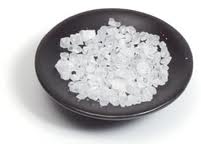
Sodium (salt) is needed for good health; however, too much can cause adverse health effects through its function of raising blood pressure. Our diets generally contain far more sodium than we need, due to the level of added salt in some packaged products. It is important for you to be aware of your sodium intake for heart health and you should aim to consume no more than your recommended intake.
The reference value for sodium for an average adult is 2,300 milligrams.
Protein
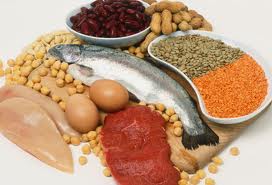
Protein is important for the growth and repair of the body’s cells and for building muscle. It can also be used to provide energy. Animal-based foods are excellent sources of protein, such as fish, meat, chicken, eggs, milk, cheese and yoghurt. Good sources of vegetable-based protein include legumes – soybeans, baked beans, kidney beans, chickpeas and lentils – nuts and seeds. Grain-based foods such as bread, cereal, rice and pasta also contribute some protein to the diet. It is best to choose protein-rich foods that are low in saturated fat.
The reference value for protein for an average adult is 50 grams.
Carbohydrates
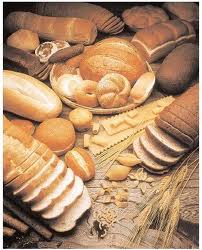
Carbohydrates are the main source of energy that fuels our body and everything it does, even thinking. Carbohydrates are sugars and starches. They are found in fruit and some vegetables, dairy foods and grain-based foods like bread, breakfast cereals, rice and pasta. Eat some grain-based foods that are wholegrain or high in fibre every day, to boost your fibre intake.
The reference value for carbohydrates (both complex and simple) for an average adult is 310 grams.